
Electrolytes in Kuwait: What They Actually Do and When Your Body Needs More
Electrolytes in Kuwait are everywhere now, from gym bags to office drawers. But despite the marketing, most people do not need to constantly replace electrolytes throughout an ordinary day.
Food already supplies sodium, potassium, magnesium, calcium and other minerals your body needs.
Kuwait, however, creates some situations where electrolyte losses can become much greater than usual. Hot weather, outdoor activity, heavy exercise and significant sweating can all increase the amount of water and sodium your body loses.
If you prefer a portable hydration format for these situations, Understanding electrolytes in Kuwait is therefore less about asking whether everyone needs them and more about recognising the situations in which your normal diet and water intake may not replace losses quickly enough.
This guide explains what electrolytes actually do, their realistic benefits, signs you may need more, when an electrolyte drink in Kuwait may be useful and when symptoms deserve medical attention instead.
Quick Answer: What Are the Main Electrolyte Benefits?
Electrolytes are minerals that help regulate fluid balance, nerve signalling, muscle contraction and other essential functions.
After significant sweating, replacing fluid together with sodium and other electrolytes may help restore hydration more effectively than drinking large amounts of plain water alone.
Electrolyte benefits are most relevant when genuine fluid and mineral losses have occurred.
If you spent the entire day indoors, did little exercise and ate normally, you may not need an electrolyte supplement at all.
What Are Electrolytes?
Electrolytes are minerals that carry an electrical charge when dissolved in body fluids.
This electrical activity is important because nerves, muscles and many cellular processes depend on carefully controlled mineral concentrations.
The major electrolytes include sodium, potassium, magnesium, calcium, chloride, bicarbonate and phosphate.
Each has a different role.
What Does Sodium Do?
Sodium is especially important for fluid balance.
It helps determine how much water remains in the bloodstream and tissues and is also involved in nerve and muscle function.
Sodium is one of the main electrolytes lost through sweat.
That is why sodium usually receives the most attention in hydration products designed for exercise or hot environments.
What Does Potassium Do?
Potassium works closely with sodium across cell membranes.
It contributes to nerve signalling, normal muscle function and normal heart rhythm.
Foods such as bananas, potatoes, dates, yoghurt, tomatoes and vegetables can provide potassium as part of a normal diet.
What Does Magnesium Do?
Magnesium participates in hundreds of biological processes.
It contributes to normal muscle and nerve function and is involved in energy metabolism.
Electrolyte drinks may contain magnesium, but often in relatively modest amounts.
If magnesium intake itself is the concern, that is different from replacing sodium and fluid after significant sweating.
What Do Calcium and Chloride Do?
Calcium is important for muscle contraction, nerve signalling and bone health.
Chloride works closely with sodium in fluid balance and is also involved in stomach acid.
Together, these minerals help maintain the environment that cells need to function normally.
Why Sodium Matters Most After Heavy Sweating
Sweat contains water and several minerals, but sodium and chloride generally account for most of the electrolyte loss.
This helps explain why drinking large quantities of plain water after heavy sweating does not always make someone immediately feel better.
You may have replaced fluid without adequately replacing the sodium lost with it.
That does not mean every hot day requires a high-sodium supplement.
It means your hydration strategy should reflect how much you actually sweated.
What Are the Real Benefits of Electrolytes?
Electrolytes have useful roles, but marketing can make them sound more powerful than they are.
1. Supporting Rehydration After Heavy Sweating
One of the clearest electrolyte benefits is supporting fluid replacement after meaningful sweat loss.
Sodium helps the body retain the water you drink and supports the restoration of normal fluid balance.
This becomes especially relevant after longer exercise sessions, outdoor activity or heavy sweating in Kuwait.
2. Supporting Normal Muscle Function
Sodium, potassium, magnesium and calcium all participate in normal muscle function.
When significant electrolyte loss contributes to cramping or weakness, replacing those losses can be useful.
However, muscle cramps have many possible causes, so not every cramp means you need an electrolyte drink.
3. Helping After Long Periods in the Heat
Spending significant time outdoors in Kuwait can increase sweating even when you are not exercising intensely.
Replacing water and electrolytes after substantial losses may help support normal hydration and circulation.
4. Replacing Fluid and Salts During Illness
Vomiting and diarrhoea can cause rapid losses of both water and electrolytes.
In this situation, a properly formulated oral rehydration solution is generally more appropriate than an ordinary sports hydration supplement.
Persistent vomiting, significant dehydration or illness in children requires medical advice.
What Electrolytes Cannot Do
Electrolytes do not directly burn fat.
They are not stimulants.
They do not automatically increase energy when your electrolyte status is already normal.
They also cannot fix fatigue caused by iron deficiency, low vitamin D, thyroid disorders, poor sleep or another medical issue.
Hydration supplements in Kuwait are most useful when hydration and mineral loss are actually the problem.
What Are Possible Signs You May Need More Electrolytes?
There is no single symptom that proves someone has low electrolytes.
The context is important.
A combination of headache, unusual fatigue, muscle cramps, light-headedness, nausea, thirst despite drinking water or difficulty concentrating after a long hot day may suggest that fluid and salt losses have been significant.
Symptoms should never be interpreted in isolation.
If they appear after prolonged heat exposure or heavy sweating, hydration may be one factor worth considering.
When Symptoms Need Medical Attention
Electrolyte imbalance can become medically serious.
Confusion, fainting, seizures, an irregular heartbeat, inability to keep fluids down, no urine output or persistent severe vomiting should not be treated with a hydration sachet alone.
These symptoms require appropriate medical assessment.
Who Is More Likely to Need Electrolytes in Kuwait?
The need for electrolytes changes according to the day.
Someone working comfortably in an air-conditioned office with little activity may need nothing beyond water and normal food.
The same person may benefit from electrolyte replacement the following day after spending several hours outdoors.
People who train for more than an hour, sweat heavily, work outdoors or spend long periods walking in Kuwait's heat are more likely to experience meaningful mineral losses.
Electrolytes in Kuwait can therefore be useful, but they should match actual fluid loss rather than become an automatic daily habit.
Why Kuwait Changes the Hydration Equation
Kuwait's summer climate can produce extremely high temperatures.
That matters because sweat rates can rise dramatically even during ordinary outdoor activities.
Walking, commuting, errands, outdoor work and exercise can all increase fluid requirements.
Air-conditioned environments may also feel very dry, although visible sweating outdoors remains the more important source of significant electrolyte loss for most people.
A practical approach is to think about what your day involved.
The hotter, longer and more physically demanding the day, the more relevant an electrolyte drink in Kuwait may become.
How Quickly Can Electrolytes Work?
Electrolytes do not need weeks to build up like some nutritional supplements.
Fluid and minerals begin being absorbed after consumption.
Someone who genuinely lost significant fluid and sodium may notice an improvement relatively quickly once both are replaced.
However, there is no guaranteed time in which every symptom should disappear.
If fatigue, dizziness, cramps or headaches continue despite appropriate hydration, another cause may need to be investigated.
Can You Get Enough Electrolytes From Food?
For most people on ordinary days, yes.
Food provides electrolytes continuously.
Salt and salty foods provide sodium.
Dates, potatoes, bananas, yoghurt, tomatoes and avocado provide potassium.
Nuts, seeds, whole grains and leafy vegetables provide magnesium.
Dairy foods and tahini can contribute calcium.
Supplements become more useful when fluid and mineral losses happen quickly or when consuming normal food is not practical.
Are Electrolytes Useful During Ramadan?
Hydration becomes especially important when fasting coincides with hot weather.
During the eating window, water, normal meals and appropriate salt intake remain central.
Some people who experience significant sweating may use an electrolyte drink between iftar and suhoor as part of their hydration strategy.
People with kidney disease, heart disease, high blood pressure or other medical conditions should discuss electrolyte products with their healthcare professional.
Who Should Be Careful With Electrolyte Supplements?
Healthy adults generally tolerate standard electrolyte drinks well when they are used appropriately.
However, people with kidney disease need particular caution because the kidneys regulate potassium, magnesium and fluid balance.
People with heart failure, high blood pressure or a medically prescribed low-sodium diet may need to limit high-sodium products.
Certain medicines, including some diuretics, ACE inhibitors and ARBs, can affect electrolyte levels.
People with diabetes should check the sugar content of the product they choose.
Children experiencing vomiting or diarrhoea should use an age-appropriate oral rehydration product rather than an adult sports drink unless advised otherwise by a healthcare professional.
Can You Have Too Many Electrolytes?
Yes.
More is not automatically better.
Regularly drinking multiple high-sodium electrolyte servings on days when you have barely sweated is usually unnecessary.
Electrolyte products should be matched to activity, heat exposure, dietary intake and individual health.
This principle is especially useful when choosing hydration supplements in Kuwait.
Do You Need an Electrolyte Drink Every Day?
Not everyone does.
If your day involves normal activity, plenty of food and little sweating, water may be enough.
Electrolyte replacement becomes more relevant when heat exposure, exercise or another source of fluid loss significantly increases your needs.
The same person may benefit from electrolytes one day and have little reason to use them the next.
How to Choose an Electrolyte Drink in Kuwait
Once you decide electrolyte replacement makes sense, check the nutrition label.
Look at sodium first because it is one of the main minerals lost in sweat.
Then consider potassium, magnesium and sugar.
Also think about convenience.
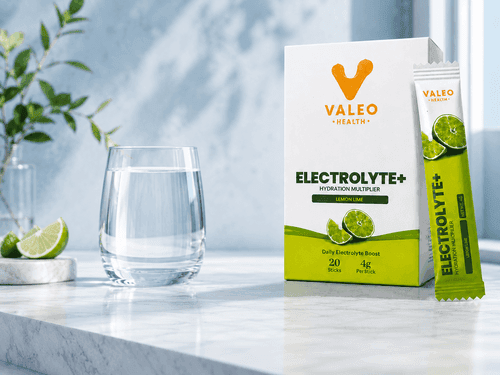
Single-serve sticks can be practical for electrolytes in Kuwait because they are easy to keep in a gym bag, office or travel bag and can be mixed with water when needed.
Choose an electrolyte drink in Kuwait that fits your actual activity rather than simply selecting the product with the strongest marketing.
A Practical Approach to Everyday Hydration
Start with water and a balanced diet.
Add electrolytes when your day creates enough sweat and fluid loss to justify them.
Pay attention to how you feel, but do not assume every headache, cramp or tired day is caused by dehydration.
Electrolytes are useful when they solve the right problem.
That is the difference between purposeful supplementation and simply adding another product to your routine.
Final Thoughts
The most important thing to understand about electrolytes in Kuwait is that they are not a daily requirement for everyone.
Their main value appears when your body has actually lost meaningful fluid and minerals.
After heavy sweating, long outdoor activity or certain illnesses, appropriate electrolyte replacement can support hydration and normal muscle and nerve function.
On ordinary indoor days, water and a balanced diet may be enough.
Instead of asking whether electrolytes are good or bad, ask a better question: did today's activity and heat create enough losses to justify replacing them?
Medically Reviewed By: Dr. Rayan Mohammed, General Practitioner at Valeo Health
Reviewed for medical accuracy, safety guidelines, and healthcare recommendations