
Best Foods for Gut Health in Kuwait: Psyllium Husk Kuwait Guide
The best foods for healthy digestion include oats, barley, lentils, chickpeas, vegetables, whole fruits, nuts and suitable fermented foods. These provide different types of dietary fiber and nutrients that help maintain normal bowel function. If your meals do not provide enough fiber, psyllium husk kuwait products such as Valeo Gut Revive may help supplement your intake when used with adequate water and according to the product instructions.
Key Takeaways
• Oats, legumes, vegetables and whole fruits are practical sources of dietary fiber.
• Different types of fiber support digestion in different ways, so food variety matters.
• Psyllium is a soluble fiber that absorbs water and may help improve bowel regularity.
• Increasing fiber gradually can reduce the likelihood of gas and abdominal discomfort.
• Valeo Gut Revive can complement a balanced diet but should not replace nutritious meals.
Table of Contents
This guide covers the best foods for digestion, meal ideas in Kuwait, types of fiber, psyllium supplementation, hydration, common digestive concerns and frequently asked questions.
Which Foods Are Best for Gut Health?
The foods you eat influence stool consistency, bowel movements and the environment in which intestinal microorganisms live.
Different plant foods provide different fibers. Some absorb water and form a gel, while others help increase stool bulk.
Eating a variety of foods is therefore more useful than depending on one ingredient.
Oats and Barley
Oats and barley provide soluble fiber, including beta glucan.
These grains are convenient because they fit into familiar meals without complicated preparation.
For breakfast, prepare oats with plain yogurt, strawberries and a small handful of nuts.
Barley can also be added to vegetable soup instead of relying entirely on refined grains.
Choose plain varieties when possible to limit unnecessary added sugar.
Lentils, Chickpeas and Beans
Legumes provide fiber, plant protein and several essential nutrients.
They work well in everyday Kuwaiti meals, including lentil soup, hummus, bean salads and vegetable stews.
A bowl of lentil soup with whole wheat bread offers a simple alternative to a low fiber lunch.
If legumes cause gas, begin with small portions.
Rinsing canned beans and cooking dried legumes thoroughly may help make preparation easier.
Vegetables and Whole Fruits
Carrots, broccoli, spinach, zucchini, apples, pears and oranges can help increase daily fiber intake.
Whole fruits generally provide more fiber than their juices.
For example, eating an orange after lunch contributes fiber that would be reduced or absent in strained orange juice.
People who experience discomfort after large raw salads may tolerate cooked vegetables better.
Try including vegetables in more than one meal instead of consuming a very large portion at dinner.
Nuts, Seeds and Fermented Foods
Almonds, walnuts, chia seeds and ground flaxseed provide fiber alongside other nutrients.
Plain yogurt and kefir may also contribute live microorganisms, depending on the product.
Not every fermented food has a demonstrated probiotic effect, and benefits vary between individuals.
These foods can be helpful additions, but they are not essential for everyone.
How Can You Build Better Meals in Kuwait?
Improving digestive comfort does not require giving up familiar foods.
A balanced Kuwaiti meal can include a source of protein, vegetables and a fiber rich carbohydrate.
For example, grilled fish with brown rice and cooked vegetables provides a more varied meal than fish with refined rice alone.
You can also prepare chicken with whole wheat bread, hummus and salad.
For breakfast, try eggs with whole grain toast, cucumber and a piece of fruit.
The goal is to make small improvements that are easy to maintain.
A Simple Daily Meal Plan
This example can be adjusted for food preferences, allergies and medical conditions.
You do not need to follow the same meals every day. Rotating different fruits, vegetables and legumes provides greater nutritional variety.
How Does Psyllium Husk Kuwait Support Digestive Regularity?
Psyllium comes from the outer coating of seeds from the Plantago ovata plant.
It contains soluble fiber that absorbs liquid and develops a gel like consistency.
This property can help stool retain moisture and increase its bulk, making bowel movements easier to pass for some people with constipation.
Psyllium is different from whole foods because it supplies a concentrated form of fiber rather than a broad combination of vitamins, minerals and other nutrients.
That is why it works best as part of a food first approach.
Where Does Valeo Gut Revive Fit In?
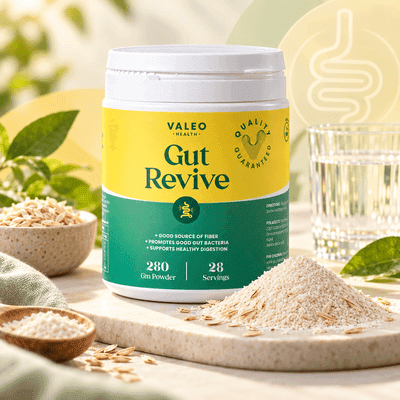
Valeo Gut Revive is a daily fiber supplement available through Valeo Health's Kuwait online store.
Its key ingredient is psyllium husk, which can support normal bowel regularity when used with sufficient fluids.
Someone whose everyday meals contain little fiber may consider it as an additional source after reviewing their food intake.
However, Gut Revive should not be treated as a complete colon cleansing treatment or a substitute for vegetables, fruit and whole grains.
Follow the current product instructions and review the ingredients, serving size and safety information before use.
Can Psyllium Replace Dietary Fiber From Food?
No. A supplement cannot provide the full nutritional variety available from ordinary meals.
Vegetables contain vitamins and minerals. Legumes supply protein and fiber. Fruits contribute different plant compounds.
These foods support overall nutritional needs beyond bowel regularity.
A practical approach is to improve meals first and consider a supplement only when additional fiber is appropriate.
How Much Fiber Do Adults Need?
According to the US National Institute of Diabetes and Digestive and Kidney Diseases, adults generally need approximately 22 to 34 grams of dietary fiber daily, depending on age and sex.
Individual needs can vary, particularly for people with certain digestive conditions.
If your current diet is low in fiber, increasing intake gradually is important.
For example, begin by including oats at breakfast.
After several days, introduce more vegetables or legumes at another meal.
Making many changes overnight may result in gas or abdominal discomfort.
Why Is Water Important?
Fiber absorbs water, and adequate hydration can help maintain softer stools.
This is particularly relevant during Kuwait's hot weather, when sweating can increase fluid requirements.
Keep water available throughout the day and drink regularly according to your needs.
General instructions for psyllium powder commonly recommend mixing it with approximately 240 ml of liquid, but the directions for your specific supplement take priority.
Never swallow psyllium powder dry.
People with prescribed fluid restrictions should follow medical guidance.
Who Might Benefit From Psyllium Husk Kuwait?
A soluble fiber supplement may be helpful for some adults who do not consume enough fiber or experience occasional constipation.
However, it is important to consider the reason for digestive symptoms.
Someone eating mostly refined grains may benefit from increasing vegetables and whole grains first.
Another person may already consume sufficient fiber but experience constipation because of medication, inactivity or another medical condition.
In that situation, taking more fiber may not address the underlying problem.
Before starting a supplement, consider your usual meals, current medication, hydration and existing medical conditions.
People with swallowing difficulties, known intestinal obstruction or unexplained digestive symptoms should seek professional advice before using psyllium.
Some medicines also require different timing when taken with fiber supplements.
What Is the Difference Between Soluble and Insoluble Fiber?
Both types contribute to a balanced diet, although they work differently.
Many whole foods contain a combination of both types.
Psyllium is particularly useful for its ability to form a gel when mixed with water.
However, an individual with a sensitive digestive system may tolerate some fiber sources better than others.
For example, a person with irritable bowel syndrome may tolerate oats or psyllium better than large portions of wheat bran.
Dietary changes should reflect symptoms and professional advice when necessary.
Why Can Healthy Foods Sometimes Cause Bloating?
Foods rich in fiber can initially cause gas because intestinal microorganisms ferment certain carbohydrates.
This does not automatically mean the food is unhealthy.
The amount eaten, preparation method and individual tolerance all matter.
Eating a large serving of chickpeas after several weeks of low fiber meals may cause more discomfort than gradually introducing smaller portions.
Carbonated drinks, eating quickly and swallowing excess air can also contribute to bloating.
Practical Ways to Reduce Discomfort
Try eating slowly, reducing very large meals and taking a gentle walk after eating.
If beans cause discomfort, start with a smaller serving and increase gradually.
Keep a short food diary if symptoms repeatedly occur after particular meals.
Avoid adding several supplements at once because it becomes difficult to identify what is helping or causing symptoms.
Persistent bloating, severe abdominal pain, vomiting, rectal bleeding or unexplained weight loss warrants medical assessment.
How Can You Maintain Better Digestive Habits?
Consistency usually matters more than complicated routines.
Start with three manageable changes: include a fiber source at breakfast, add vegetables to lunch and maintain adequate hydration.
Once these become comfortable, increase the variety of fruits, legumes and whole grains.
Regular physical activity can also help support bowel function.
A short walk after meals is a practical option for people with desk based routines.
Avoid unnecessary detox diets or aggressive bowel cleansing practices.
Your digestive system does not require routine detoxification products to function normally.
Conclusion: Build Your Routine Around Food First
The best approach to digestion combines varied meals, sufficient fiber, adequate fluids and regular movement. Oats, lentils, chickpeas, whole fruits and vegetables can all form part of a practical routine in Kuwait. Valeo Gut Revive provides an additional psyllium based fiber option for people who need one, but it should complement rather than replace nutritious foods. For more information about psyllium, digestive regularity and gut health, explore Valeo Health's dedicated Kuwait guide.
Medical Review
Expert reviewed by May Chalhoub, Certified Nutritionist, Licensed Dietitian & Health Coach, with a focus on nutrition, healthy hair growth and nutritional factors that may contribute to hair loss