

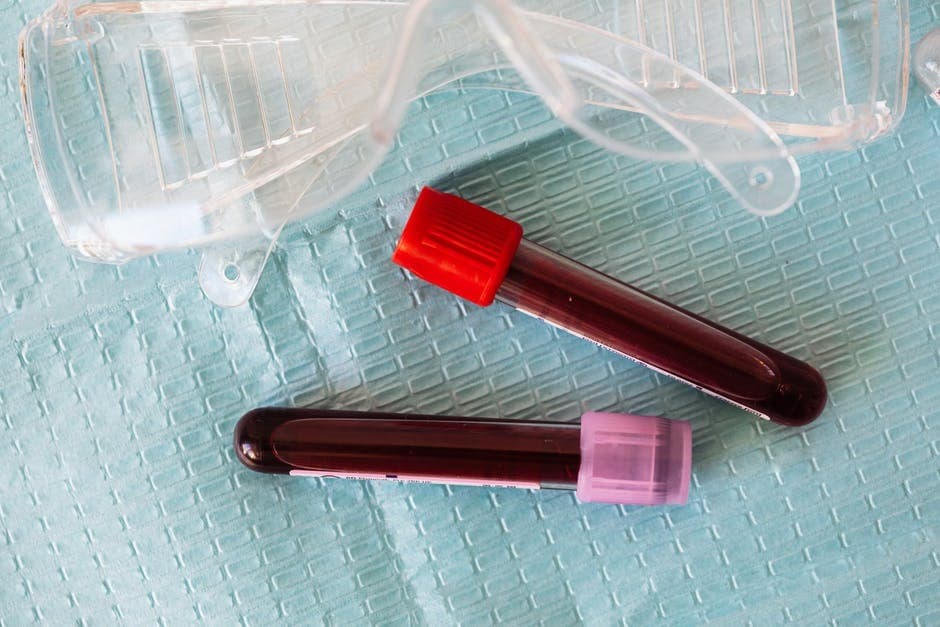
6 Essential Things You Need to Know About Liver Function Test
A liver function test is a simple blood test that measures various substances produced by the liver, from proteins to enzymes and bilirubin. This test is a source for showing high or low concentrations of various substances, which helps to detect various diseases.
At Valeo Health, the liver function test Dubai provides our healthcare professionals with important information about the overall health and functionality of your liver. Therefore, it is recommended that if you have the following symptoms – get tested:
● Nausea and vomiting.
● Loss of appetite.
● Fatigue.
● Weakness.
● jaundice, a disease that turns the skin and eyes yellow.
● Abdominal (abdominal) swelling and/or pain
● Swelling of ankles and feet.
● Dark urine (pee) and/or light stools (poop)
LFTs can show signs early that can help you optimize your health with the right medications and doctor's advice. Below, in this blog, we will discuss 8 important things about liver function tests. (LFT).
1. What are Liver Function Tests (LFTs)?
You can think of LFTs as your liver's report card, showing whether it's doing its job or needs further medical attention. Which can be nutritional supplements or IV treatments such as IV liver detox -- always consult a doctor before starting both methods.
Liver function tests, commonly known as LFTs, are a series of blood tests that assess the health and function of your liver. These tests measure different enzymes, proteins and substances in your blood that can show how well your liver is working.
2. Common LFT Components
To understand the various functions of liver enzymes or substances in different diseases, liver function tests usually display the following components:
● Alanine Aminotransferase (ALT): ALT is a liver enzyme. Increased levels may indicate liver damage. For example, if your reports highlight that you have high ALT levels in your liver, this is a red flag that your liver may be experiencing stress.
● Aspartate Aminotransferase (AST): AST is another enzyme found in the liver, but it is also found in other organs. Elevated levels of this enzyme can indicate liver or muscle problems. In fact, AST acts as a detective, revealing whether the liver is the main suspect or whether other organs are involved in causing liver damage.
● Alkaline Phosphatase (ALP): ALP is another enzyme found in our liver and bones. If the level is high, it means you have liver or bone problems. Many studies have mentioned that ALP is like a dual agent, looking at both the liver and bones.
● Albumin and Total Protein: These proteins are produced by the liver and low levels may indicate liver disease or malnutrition. Both albumin and total protein are building blocks that your liver uses to create a healthy environment.
● Direct and Indirect Bilirubin Levels: Bilirubin is a yellow pigment produced during the breakdown of red blood cells. Did you know? Direct bilirubin is directly related to jaundice, while indirect bilirubin has an indirect effect on skin color.
● Gamma-Glutamyl Transferase (GGT): GGT is a liver enzyme. Increased levels may indicate liver or gallbladder problems. GGT basically acts as a messenger to let you know if you have problems with your liver or bile ducts.
● Prothrombin Time (PT) and International Normalized Ratio (INR): PT and INR assess blood clotting. They are like timekeepers who make sure the blood knows when to clot and when to keep flowing.
3. Interpreting LFT Results
Common people usually are unable to read LFTs results, however, your results can be normal or abnormal. Understanding these numbers is crucial for assessing your liver health.
When you get the results of liver functions, you can notice values for various substances. Comparing these values with normal ranges is essential. Your doctor can help you interpret these results, making sure you have a clear understanding of your liver health.
What normal ranges are there for liver function tests?
The normal ranges for liver function tests can vary based on factors such as sex, body size, and the specific laboratory conducting the tests.
On average, the normal ranges are as follows:
● Alanine transaminase (ALT): 0 to 45 IU/L.
● Aspartate transaminase (AST): 0 to 35 IU/L.
● Alkaline phosphatase (ALP): 30 to 120 IU/L.
● Gamma-glutamyltransferase (GGT): 0 to 30 IU/L.
● Bilirubin: 2 to 17 micromoles/L.
● Prothrombin time (PT): 10.9 to 12.5 seconds.
● Albumin: 40 to 60 g/L.
● Total proteins: 3 to 8.0 g/dL.
4. Causes of Abnormal LFTs
If your reports showed unusual results, it means that many other factors can affect the results. These factors include e.g. liver disease, certain medications, and excessive alcohol consumption. They are the main reasons that can affect LFT results.
5. Regular Monitoring and Follow-Up
If you have a family history or facing signs, such as nausea, fatigue, weakness, urination issues, etc – you must opt for liver function test Dubai. That’s why regular LFTs help monitor liver health, allowing for early detection and management of potential issues.
6. How Often Should I Take LFTs?
Sometimes doctors determine the urgent need to check liver vitals to check for possible hepatitis or other liver diseases. If they already know you have liver disease, they may want to check how it's progressing or whether your treatment is working or not. You may also have a liver test to check for side effects of certain medications that affect the liver.
Finding reliable services for blood tests near me, instead of this, you can call Valeo Health for different home blood testing, like Liver Function Test, Food Intolerance Test, etc.